Members The Bavaria–São Paulo Museum Network
The Bavaria–São Paulo Museum Network brings together scholars and professionals dedicated to advancing research, collaboration, and exchange in the fields of museum studies, cultural heritage, and related disciplines.
This section presents the members of the network, highlighting their academic backgrounds, institutional affiliations, and areas of expertise. The profiles are intended to provide an overview of the network’s interdisciplinary scope while ensuring a clear and consistent presentation.
Members from São Paulo
-
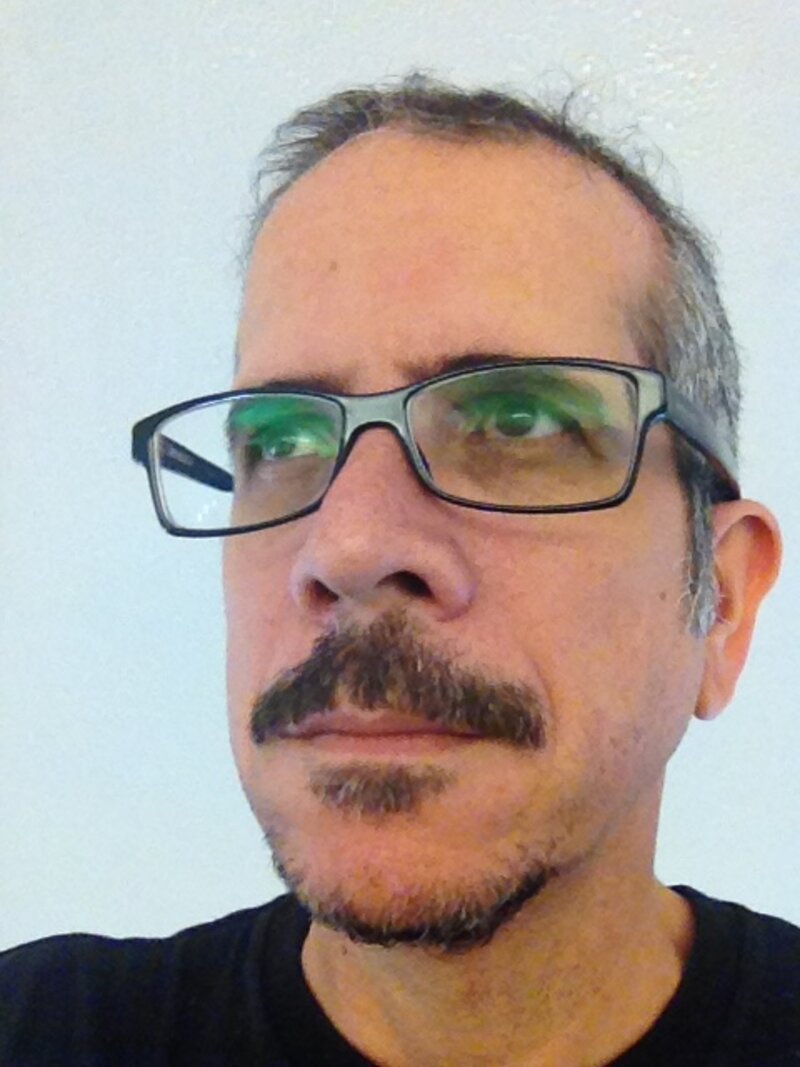
Dr. Mauricio Candido da Silva
Head of the Museum, Museum of Veterinary Anatomy, FMVZ USP / São Paulo State Coordinator, Bavaria & São Paulo Museum Network,
+55 11 97143-4077 maumal@usp.br
Research on new parameters and definitions for university collections and museums. I work with projects and processes related to safeguarding, exhibitions, and educational programs involving research, teaching, and outreach collections in university natural history museums, with an emphasis on anatomical collections. Research on the Natural World in Museums. More recently, I have been working on studies of sustainability in museums and the Anthropocene from a museological perspective.
Research Interests / Areas of Expertise: University collections and museums; the Natural World in Museums; exhibition design (expography). -
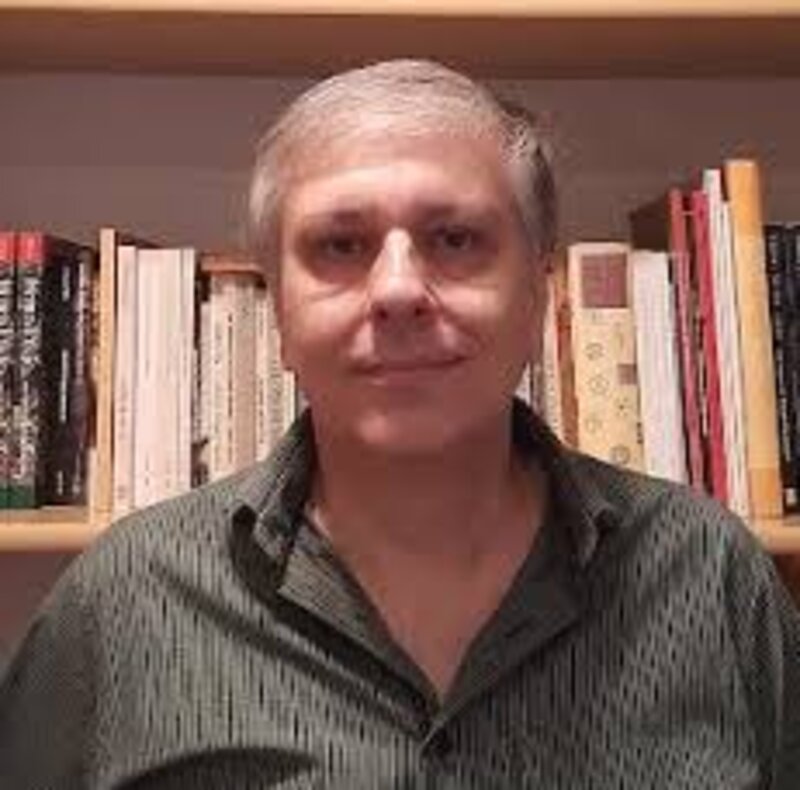
Dr. Camilo de Mello Vasconcellos
Director of the Museum of Archaeology and Ethnology MAE-USP
+55 11991293510 cmvasco@usp.br
PhD in Social History from the University of São Paulo. Associate Professor of Museology at the Museum of Archaeology and Ethnology of the University of São Paulo. Director of the Museum of Archaeology and Ethnology of the University of São Paulo.
Research Interests / Areas of Expertise: Educação Museal e Museologia
Link www.mae.usp.br
-
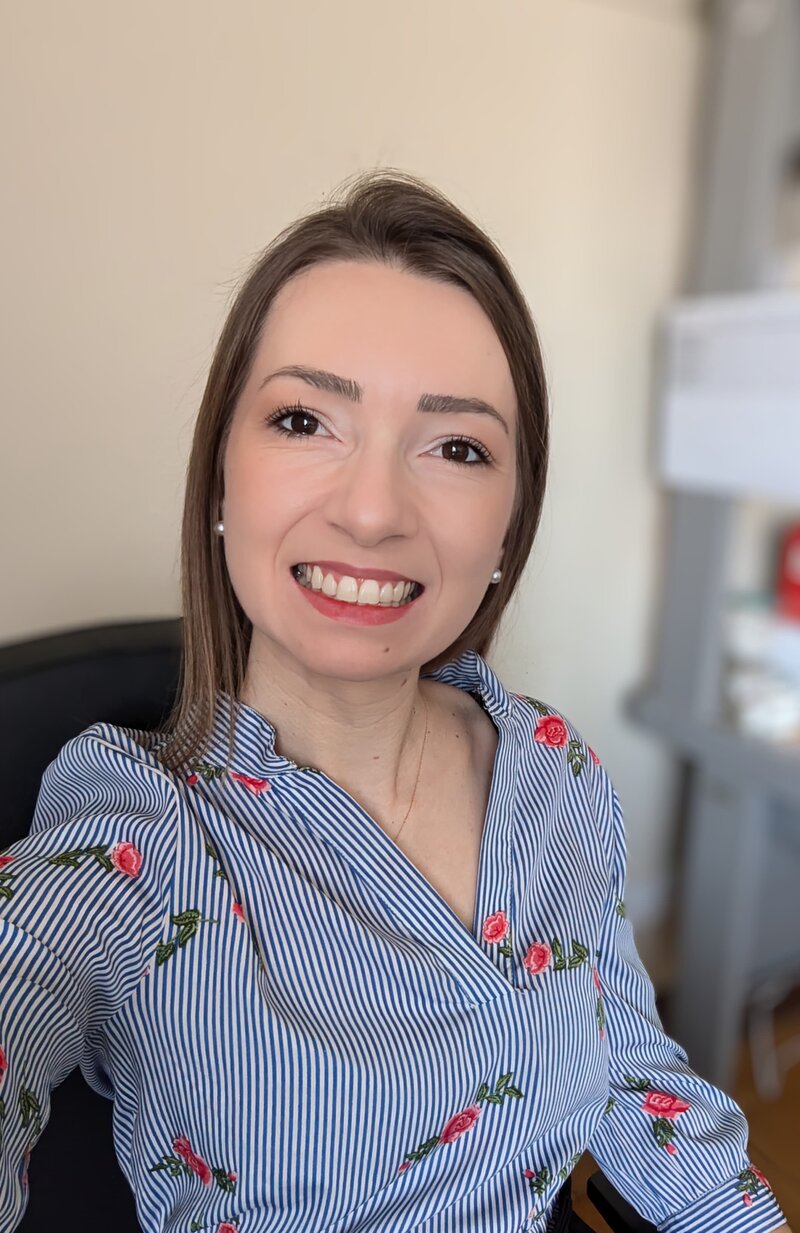
Dr. Talita Roell
Professor at the University of São Paulo, Zoology Museum
+55 1130658136 talitaroell@usp.br
Professor and Curator of Hemiptera (Insects) at the Museum of Zoology of the University of São Paulo (MZUSP), and Vice-President of the MZUSP Committee for Culture and University Extension. Master’s degree and a PhD in Animal Biology from the Federal University of Rio Grande do Sul (UFRGS, Brazil), and a Bachelor’s degree in Biological Sciences. Her work focuses on the systematics of a group of insects, and she also leads educational and cultural museum projects related to zoological diversity and conservation.
Research Interests / Areas of Expertise: Museology, Biology
-
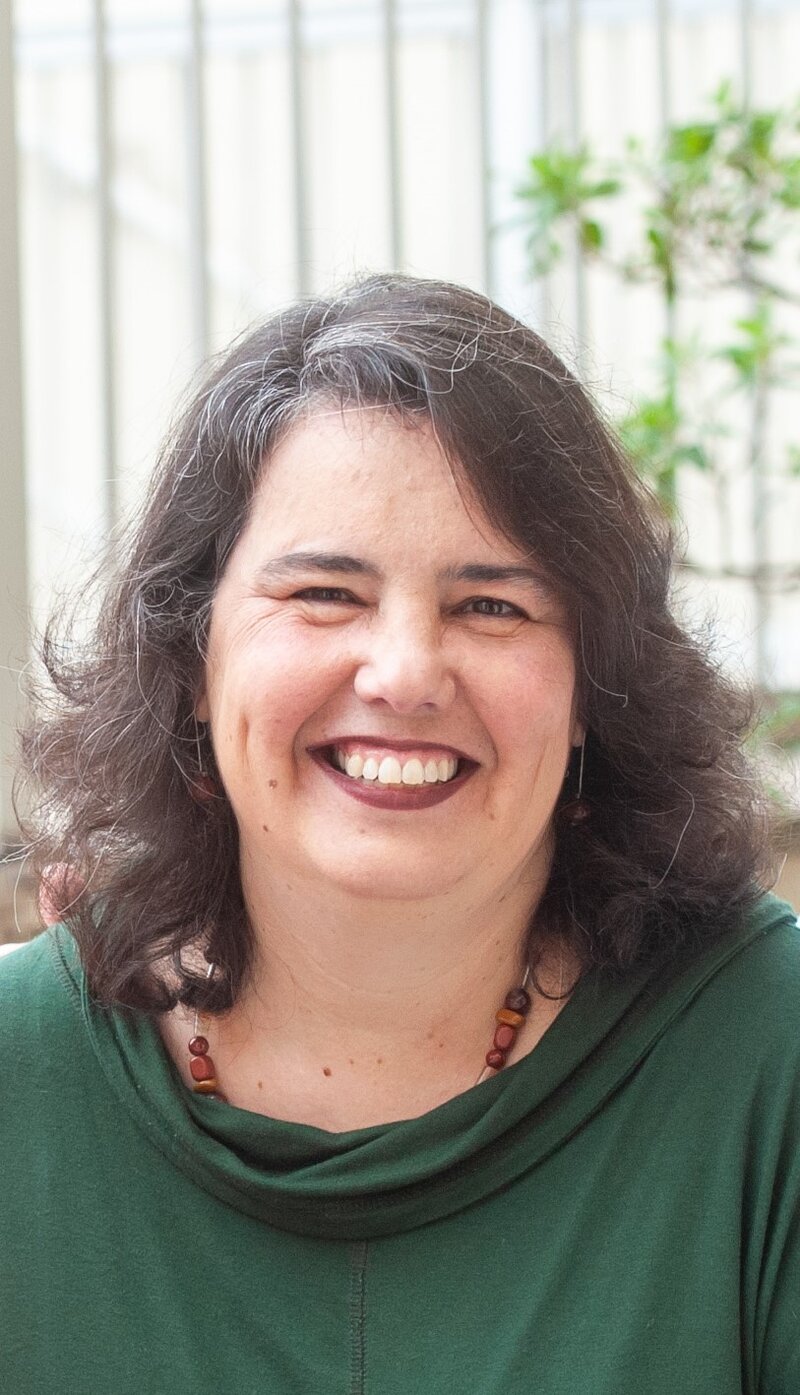
Prof. Maria Aparecida de Menezes Borrego
Professor and Curator at the Museu Paulista - University of São Paulo / Deputy Director Museu Paulista - University of São Paulo
+55 11995055855 maborrego@usp.br
Historian, deputy director, associate professor, and curator of the Museu Paulista - University of São Paulo (USP); professor in the Graduate Programme in Social History at USP and editor of the journal Anais do Museu Paulista. History and Material Culture. Master's degree and doctorate in Social History from USP.
Research Interests / Areas of Expertise: Museum Studies; Formation of Collections in University Museums; Material Culture; Written Culture -
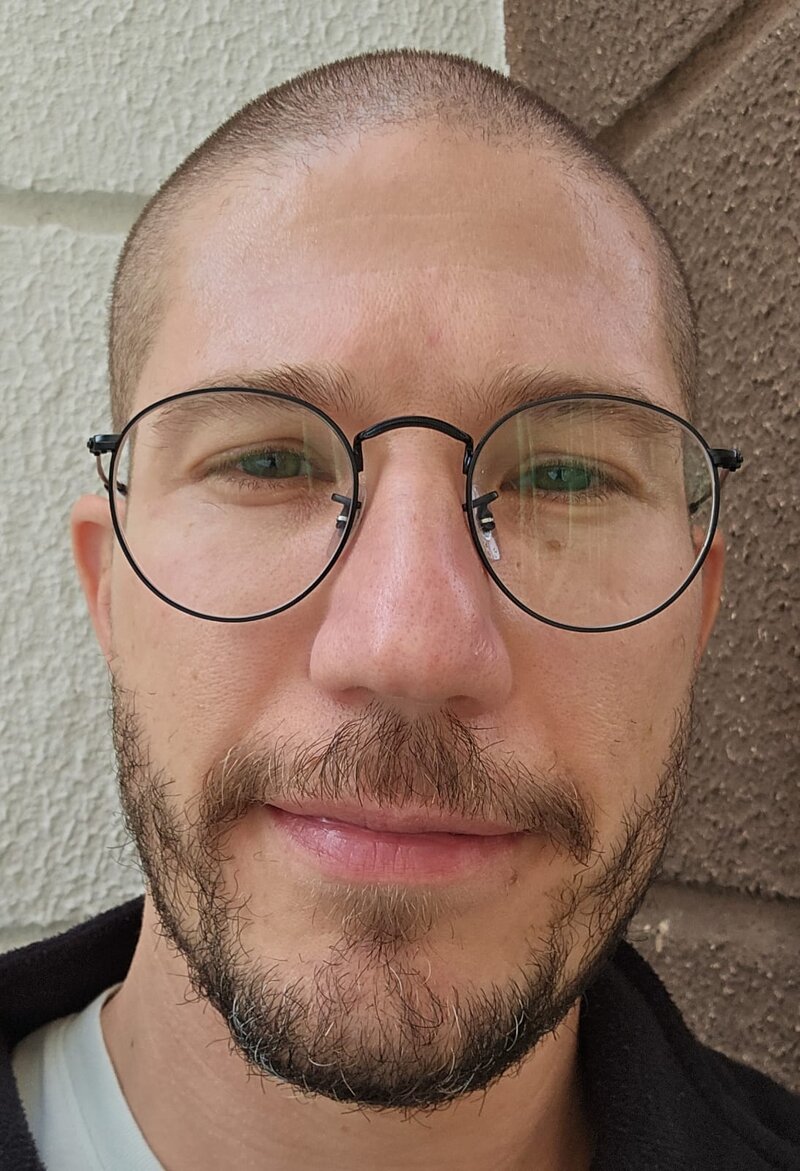

Rodrigo Cesar de Araujo Santos
Administrative staff at Unesp / PhD Student at USP
+ 55 11982738513 rca.santos@unesp.br
Holds a Bachelor's degree (2015) and a Master's degree (2019) in History from the Federal University of São Paulo (Unifesp). Currently, he is a doctoral candidate in the Economic History Graduate Program at the University of São Paulo (USP) and an administrative technical assistant at the Office of University Extension and Culture of São Paulo State University (Unesp), where is a member of the Central Committee for Collections and University Museums. From 2010 to 2011, he was an intern, and from 2012 to 2014, a documentation analyst at the Sérgio Buarque de Holanda Center (Memory and Political Documentation) of the Perseu Abramo Foundation.
Research Interests / Areas of Expertise: University Museums end Colletions; Memory and heritage; Theory of history; History of historiography; History of Brazilian historiography; History of economic thought; History of Brazilian economic thought; Economic history; Economic history of Brazil; Neoliberalism. -
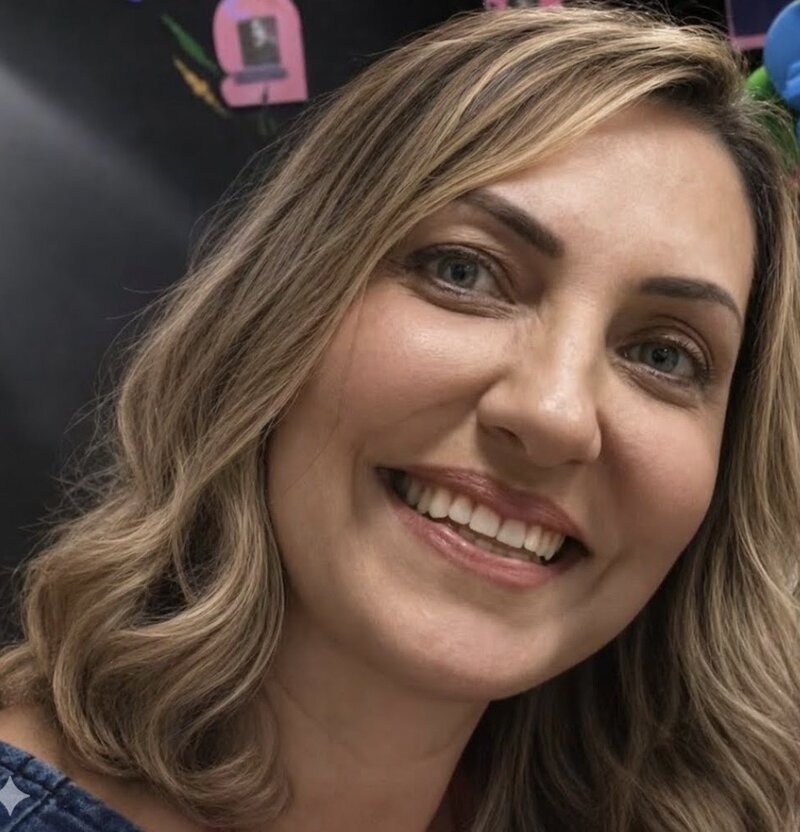
Dr. Adriane Pinto Wasko
Associate Professor at the São Paulo State University (UNESP)
+55 14 997335905 a.wasko@unesp.br
Bachelor’s Degree in Biological Sciences (1993), Teaching Degree in Biological Sciences (1994), M.Sc. (1996), and Ph.D. (2000) in Genetics and Evolution from the Federal University of São Carlos (UFSCar), including doctoral training at Dalhousie University (Canada) supported by a UNESCO fellowship. Completed a FAPESP Postdoctoral Fellowship (2000–2003) and served as a FAPESP Young Investigator Fellow (2003–2006) at São Paulo State University (UNESP). Currently coordinates Science Space, an interactive science museum, and the Scientific Communication and Outreach Agency (AgDC), both affiliated with the Biodiversity Museum of the Institute of Biosciences, UNESP.
Research Interests / Areas of Expertise: University outreach related to science education and science communicationLink https://www.ibb.unesp.br/#!/ensino/departamentos/genetica/apresentacao/servidores/
-
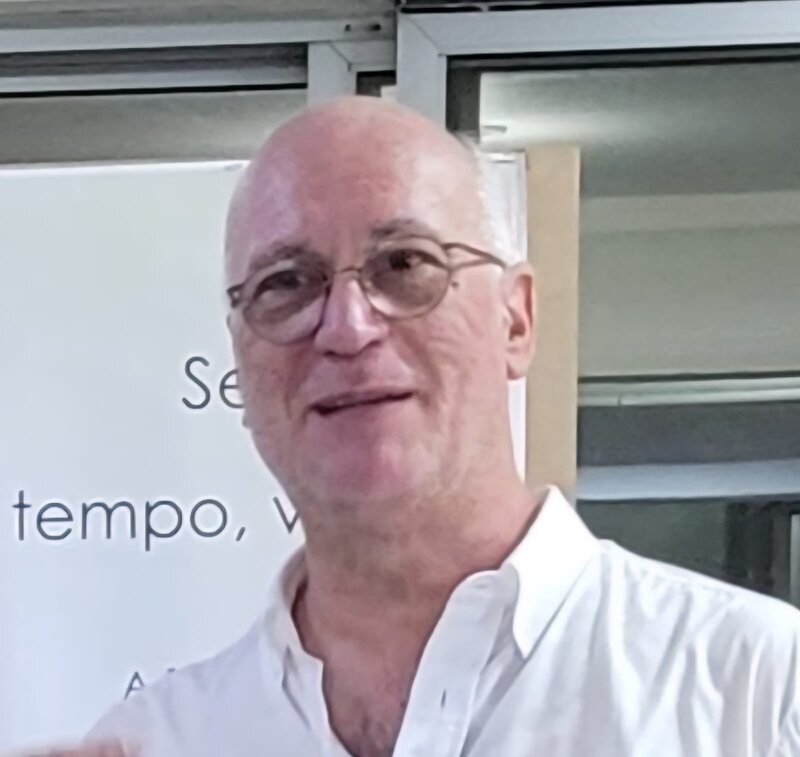
Dr. Paulo Henrique Martinez
Professor at the São Paulo State University (UNESP)
+55 439911309809 ph.martinez@unesp.br
Professor of History at São Paulo State University (UNESP), Faculdade de Ciências e Letras, Assis, and Livre Docente in History. PhD in History from the University of São Paulo (USP). His research focuses on Brazilian history, particularly environmental history, Indigenous peoples, cultural heritage, and the relationship between society, nature and historical change. He has published extensively on environmental history, Indigenous rights and heritage, museums and scientific collections, as well as the history of Brazil.
Research Interests / Areas of Expertise: Environmental History
-
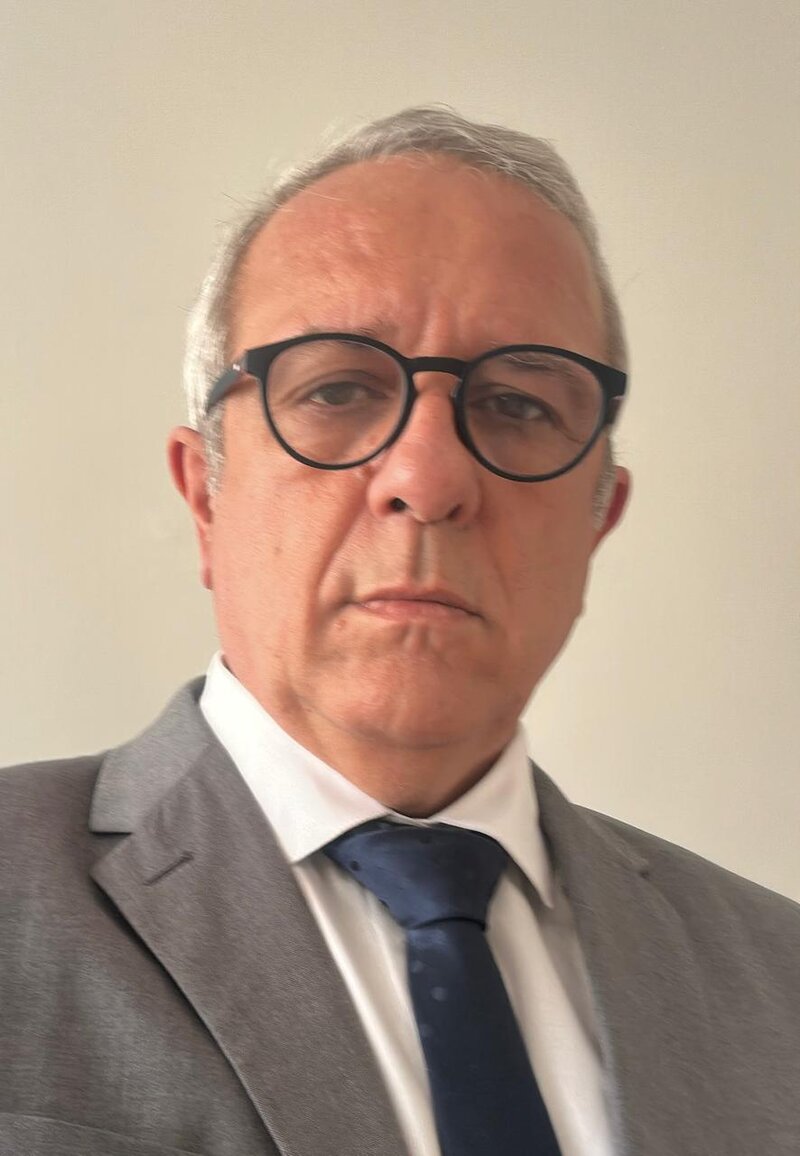

Prof. Raul Borges Guimaraes
Professor at the Department of Geography, Faculty of Science and Technology, São Paulo State University (UNESP)
+55 (18) 98135-6165 raul.guimaraes@unesp.br
Full Professor of Health Geography in the Department of Geography at the School of Science and Technology of São Paulo State University (Unesp), Presidente Prudente campus. Since 2021, he has also served as Unesp’s Pro-Rector for University Extension and Culture.
Research Interests / Areas of Expertise: Health Geography, urban and regional geography, public healthLink https://www.unesp.br/portaldocentes/docentes/110168?lang=pt_BR
-
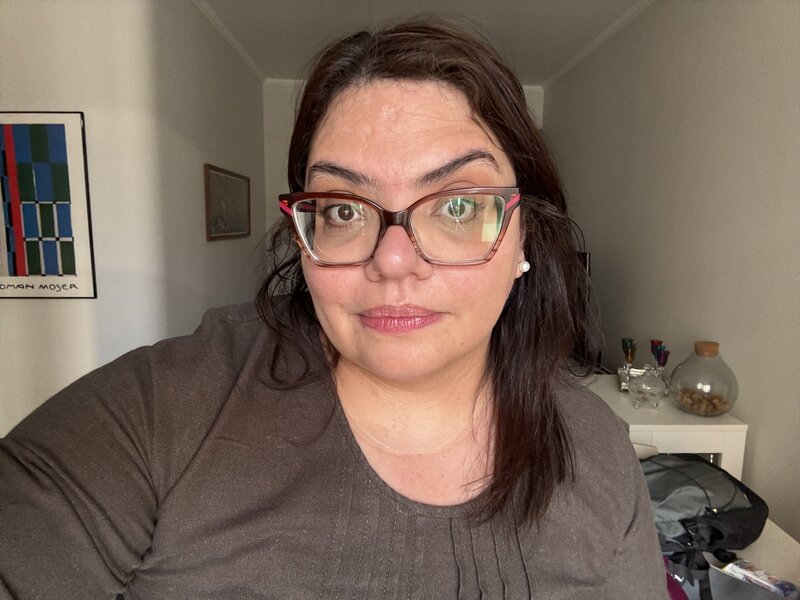
PhD Paula Ferreira Vermeersch
Associate Professor at UNESP
+55 1832295674 p.vermeersch@unesp.br
Associate Professor at Unesp
Projects at Museu do Café- Fazenda Lageado (Coffee Museum- Lageado Farm)
Research Interests / Areas of Expertise: History of Art- Heritage StudiesLink https://www.unesp.br/portaldocentes/docentes/210749?lang=pt_BR
-
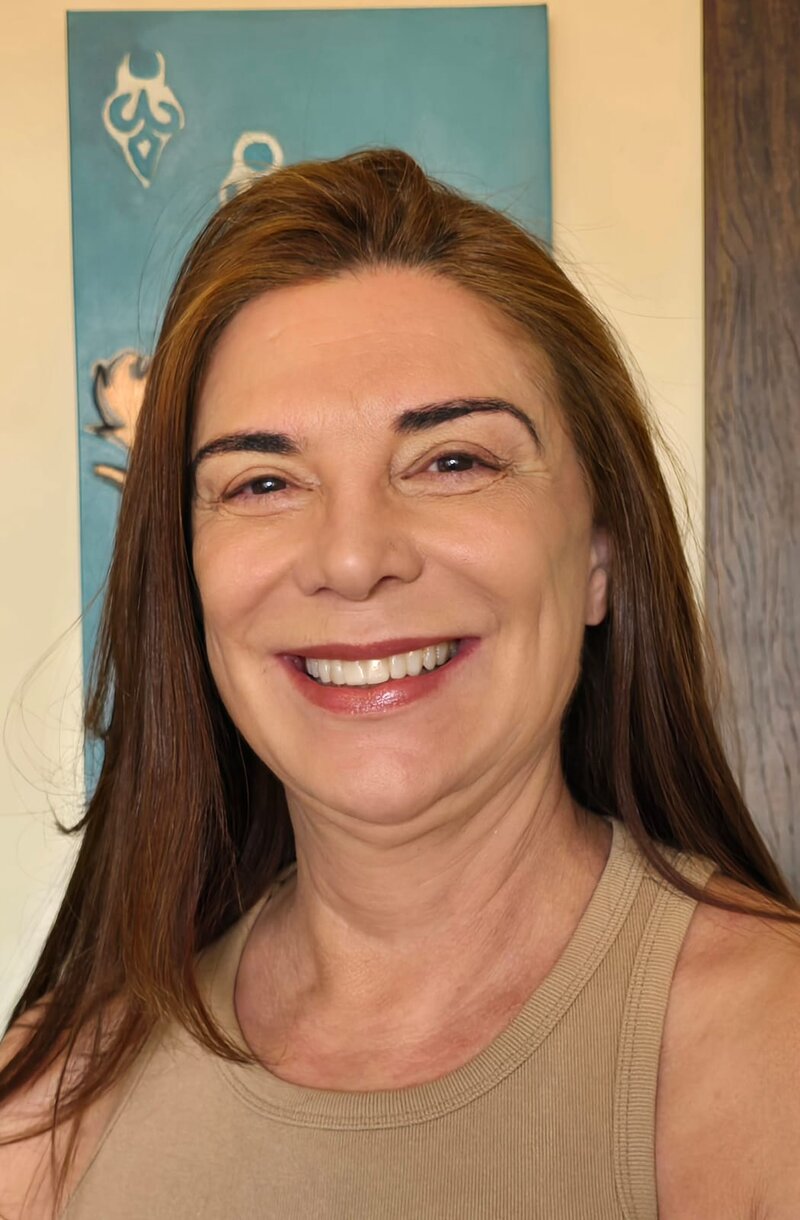
Dr. Neide Barrocá Faccio
Faculty member at the São Paulo State University (UNESP) / Coordinator at the Coordinator of the Regional Archaeology Museum, the FCT-UNESP Ethnographic Museum, the Guarani Archaeology and Landscape Studies Laboratory, and the Iepê Archaeology Museum
+55 18997033146 neide.faccio@unesp.br
Professor, PhD, at FCT/UNESP in Presidente Prudente. Coordinator of the Regional Archaeology Museum, the FCT/UNESP Ethnographic Museum, the Guarani Archaeology and Landscape Studies Laboratory, and the Iepê Archaeology Museum. Archaeologist specializing in preventive archaeology and researcher of Guarani, Kaingang, and Kayapó Indigenous settlements in the Western São Paulo Plateau. She works on projects and initiatives for the preservation and safeguarding of archaeological, ethnographic, Indigenous, and paleontological museum collections. Based on these activities, she develops educational, research, teaching, and outreach programs, including workshops, scientific and/or educational materials, guided visits, and collaborative research with Indigenous communities from the São Paulo coast, Mato Grosso do Sul, and Western São Paulo.
Research Interests / Areas of Expertise: Indigenous archaeology; archaeology; anthropology; geography; cultural heritage; museology.
-
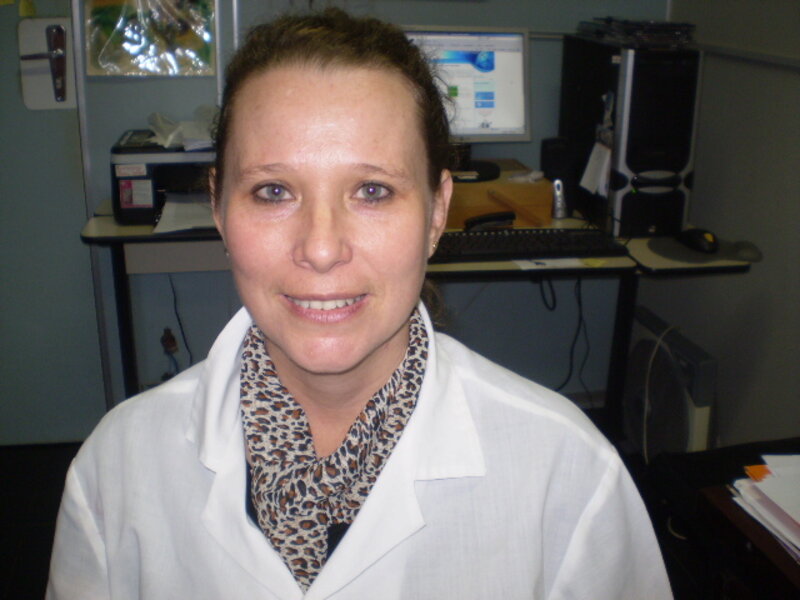
Dr. Selma Maria Michelin Matheus
Associate professor at the Sao Paulo State University (UNESP) / Coordinator at the Anatomy Museum of the Institute of Biosciences (UNESP)
+55 14 997763597 selma.matheus@unesp.br
She holds a degree in Biological Sciences (Teaching Licentiate) (1989), a Master's degree in Biological Sciences (Anatomy) (1992), and a PhD in Biological Sciences (Anatomy) (1997)(UNESP). She is currently an Assistant Professor (PhD level) at the same university. She is responsible for the courses "General and Comparative Anatomy" and "Laboratory Animal Anatomy." Her research focuses on nerve-muscle interaction, specifically the study of the neuromuscular junction. She is an accredited faculty member (supervisor and course instructor) for the Graduate Program in Surgery and Translational Medicine at FMB/UNESP. She is a coordinator of the Anatomy Museum and engages in public outreach activities, including the development of 3D-printed materials for blind students.
Research Interests / Areas of Expertise: anatomy, museum, materials for blind students
-
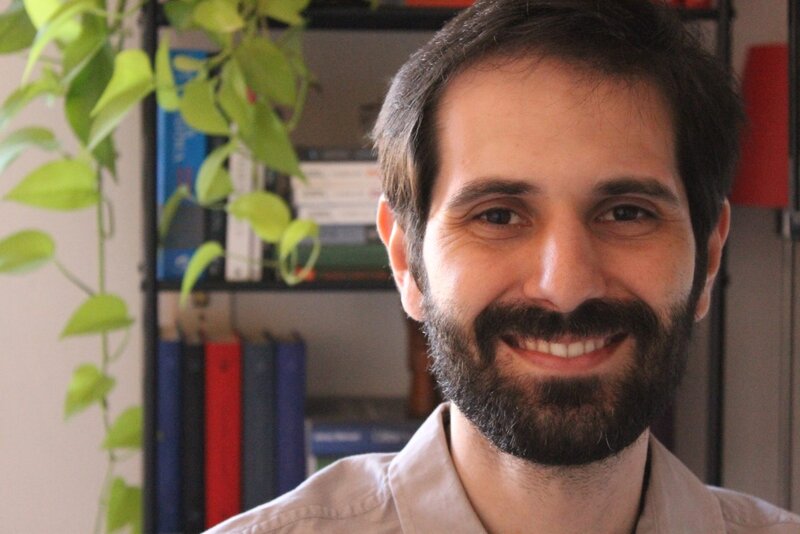

Prof. Dr. Guilherme Stecca Marcom
Coordinator of the Exploratory Science Museum (MC), University of Campinas (UNICAMP) / Professor at the Gleb Wataghin Institute of Physics (IFGW), University of Campinas (UNICAMP)
+55 11998855052 marcomgs@unicamp.br
He holds degrees in Physics Education, Pedagogy (2020), and Mathematics (2021). He earned both his Master’s (2015) and PhD (2019) in Science and Mathematics Education from the University of Campinas (UNICAMP). During his doctoral studies, he completed a research stay at the Basque Institute for Educational Evaluation and Research (ISEI-IVEI) in Bilbao, Basque Country, in 2017. He also completed a postdoctoral fellowship at the Faculty of Education, Charles University, in Prague, Czech Republic, in 2023. He is currently an Assistant Professor at the Gleb Wataghin Institute of Physics (IFGW/UNICAMP) and Director of the Exploratory Science Museum (UNICAMP).
Research Interests / Areas of Expertise: His academic work focuses on Education, with particular emphasis on Educational Assessment, specializing in Physics Teaching, the National High School Examination (ENEM), State-of-the-Art studies, Assessment, and Psychometrics. His work also encompasses museum education in science centers, social museology, and the training of science communicators and museum educators. -
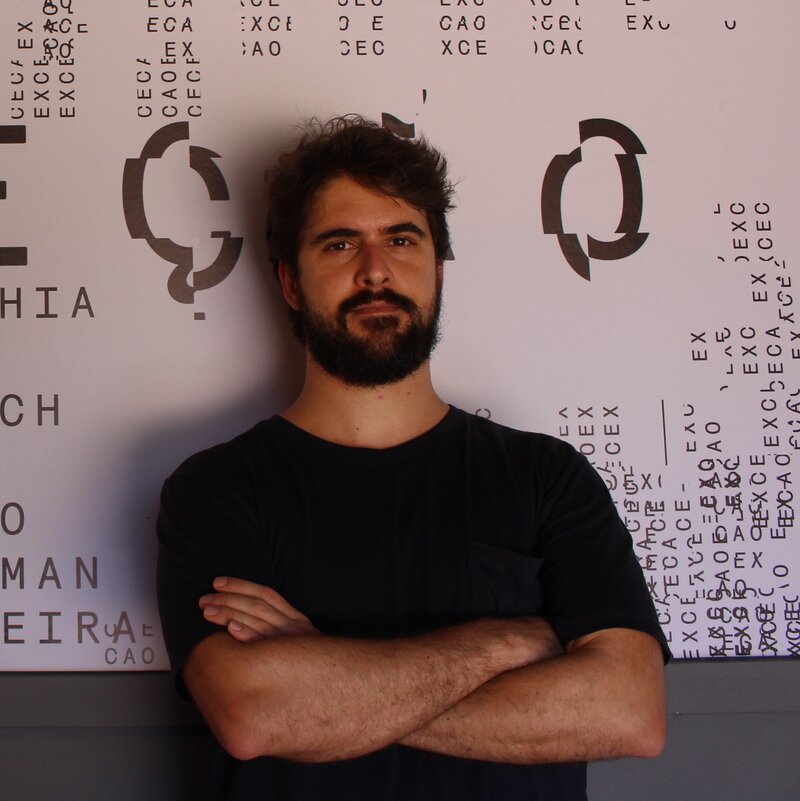

Prof. Gabriel Zacarias
Professor of Art History at the University of Campinas (UNICAMP) / Director of the Museum of Visual Arts (MAV-Unicamp)
Gabriel Zacarias is Associate Professor of Art History at the University of Campinas (Brazil) and Director of the Museum of Visual Arts at the same university. He has been a Visiting Fellow at Yale University and a Fellow of the Alexander von Humboldt Stiftung. Specialized in the history of Postwar Avant-gardes and in Critical Theory, he has books published in different languages. He has curated several contemporary art exhibitions, commonly focusing on themes of social practice and institutional critique.
Research Interests / Areas of Expertise: postwar avantgardes, socially engaged art, contemporary art, critical theoryLink www.mav.unicamp.br
Members from Bavaria
-

Prof. Dr. Guido Fackler
Professor or Museology / Museum Studies, University of Wurzburg, Chair of Museum Studies
+4915123279494 guido.fackler@uni-wuerzburg.de
Prof. Dr Guido Fackler, founder of the Chair of Museology at the University of Würzburg. Studied European Ethnology, Musicology and Ethnology in Freiburg (PhD in 2000). Subsequently undertook a Volontaria at the Badisches Landesmuseum in Karlsruhe and held various positions as a research assistant in the field of European Ethnology/Cultural Anthoplogy at the Universities of Regensburg and Wurzburg (postdoctoral habilitation in 2011). From 2010, established the field of museology.
Research Interests / Areas of Expertise: Exhibitions (physical and digital), Museology (history, international exchange), Museum as Social and Sustainable Actor, Audience Research, Provenance Research, Landscape/Space, Canals/Artificial Waterways (postdoctoral habilitation in 2011), Music in the Nazi camp system (PhD in 2000).Link https://www.phil.uni-wuerzburg.de/museologie/team-und-raeume/team/prof-dr-guido-fackler/
-

Prof. Dr. Martin Ott
Director of the Institute for Franconian Regional History / Chair Franconian Regional History of the University of Bayreuth
+ 49 9228 99605 16 martin.ott@uni-bayreuth.de
2017- Founding Director, Institute for Franconian Regional History, Universities of Bamberg and Bayreuth
2016- Professor (Chair) of Franconian Regional History, University of Bayreuth, with a joint appointment at the University of Bamberg
2015–2016 Lecturer in Early Modern European History, Department of History, Maynooth University, Ireland
2011 Habilitation, LMU Munich, with a thesis on Salt Trade in Central Europe
2005-2015 Faculty Member (Lecturer/Senior Lecturer), LMU Munich, Dept. of Bavarian History
2000-2004 Research Associate, LMU Munich, Dept. of Bavarian History
2000 Dr. phil. (PhD), LMU Munich, with a thesis on Renaissance Bavaria's engaging with the Roman material past
1995 Magister Artium (MA), LMU Munich
Research Interests / Areas of Expertise: Historical Landscapes (esp. Southern Germany), Industrial Cultures and Heritage, Museum and Cultures of Memory, International Relations (18th, 19th cent.), Renaissance and Humanism.
-

Dr. Dirk Bühler
Senior Researcher (retired director and curator of technics exhibitions) at the Deutsches Museum in Munich / Free Lance Curator at the Kunstsammlungen und Museen Augsburg
+ 49 17645941781 dirkbuehler@gmail.com
Dr.-Ing. Dirk Bühler studied architecture at the RWTH Aachen University (Germany), where he received his doctor’s degree. He spent twelve years as a teacher for Latin-American history of architecture in Mexico. Since 1993 he was curator of the architectural and civil engineering collections at the Deutsches Museum in Munich. He installed the bridge and hydraulic engineering exhibitions, opened in 1998. From 2004 on he was responsible for the temporary exhibitions and from 2007 on director of the exhibitions on „Technologies“. Since his retirement in December 2015 he is a „Senior Researcher“ of the Deutsches Museum. He published many scientific articles on bridge engineering, guides on his exhibitions, reference books on Bridges and Hispano-American History of Art and Architecture.
Research Interests / Areas of Expertise: Architecture, Civil Engineering, American Landscape Painting
-

Dr. Eng. Maria Chizhova
Assistant Professor at the University of Bamberg, Centre for Heritage Conservation Studies and Technologies
+ 49 9518631632 maria.chizhova@uni-bamberg.de
PhD at the Technical University of Munich (Faculty of Civil, Geosciences and Environmental Engineering) in collaboration with the University of Applied Sciences Würzburg-Schweinfurt on the topic of “Model-based geometric 3D reconstruction of buildings from point clouds using statistical neighbourhoods” .
Research on topics in the field of digital heritage technologies:
- digital object capture (laser scanning and digital photogrammetry)
- simulation of measurement processes (VRscan3D)
- automatic interpretation of 3D data
- intelligent data processing
- reconstruction of objects from measurement data
- computer vision
- BIM/HBIM (heritage building information modelling)
Teaching at the University of Bamberg on the Master’s programme “Digital Technologies in Heritage Conservation”
Research Interests / Areas of Expertise: 3D digitalisation, 3D reconstruction, visualisation, HBIM
Link https://www.uni-bamberg.de/en/dthc/contact-information-team/maria-chizhova/
-
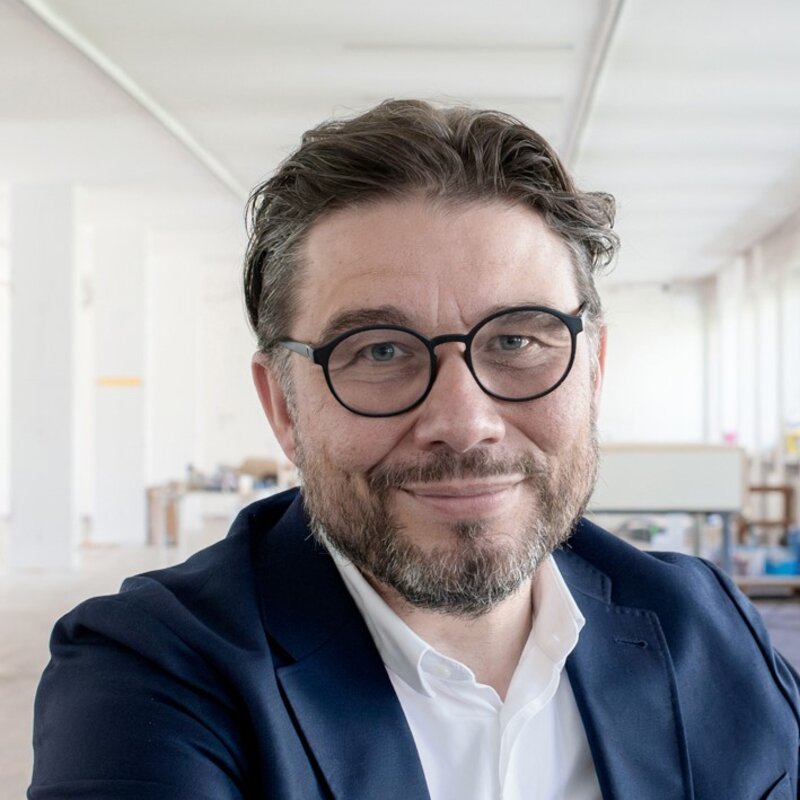
Dr. Markus Speidel
Director of the Münchner Stadtmuseum
direktion.stadtmuseum@muenchen.de
Dr Markus Speidel focuses extensively on the history of migration and, increasingly, on issues of sustainability, both in terms of museum operations and content. From 2009 to 2016, he was a research assistant on the planning team at the Stuttgart City Museum, where he was responsible for the overall conceptual design of the permanent exhibition. The Stuttgart City Museum was the first city museum in Germany to present the history of migration as an integral part of the city’s history. From 2017 to 2024, he was director of the Museum of Everyday Culture at Waldenbuch Castle. He has been director of the Munich City Museum since 1 July 2025.
-
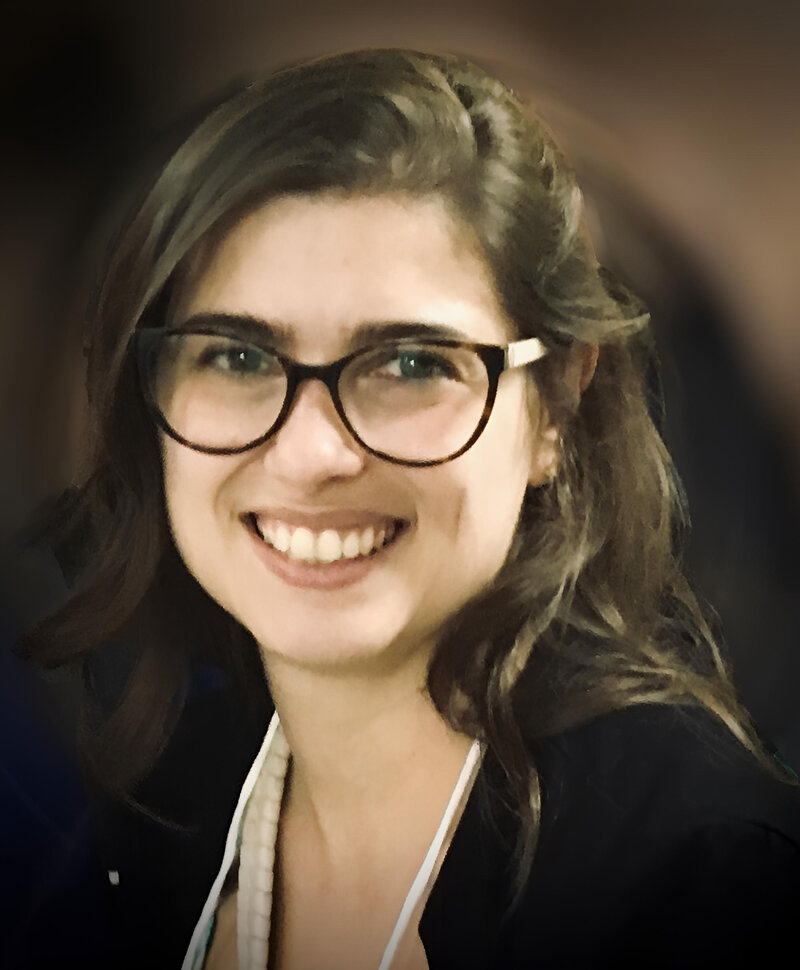
Dr. Paula Raile Riccardi
Head of the Diptera Section at the Staatliche Naturwissenschaftliche Sammlungen Bayerns, Zoologische Staatssammlung München
+ 49 898107147 riccardi@snsb.de
Evolutionary biologist working on the taxonomy and systematics of hyperdiverse insects. I use museum collections and large-scale data to discover new species and investigate the evolutionary processes shaping insect diversity. My work also develops sustainable approaches for digitising and sequencing historical specimens in natural history collections.
Research Interests / Areas of Expertise: Insect biodiversity and evolution; integrative taxonomy; phylogenomics; collection-based research; digitisation; curation of natural history collections
Link www.zsm.mwn.de
-
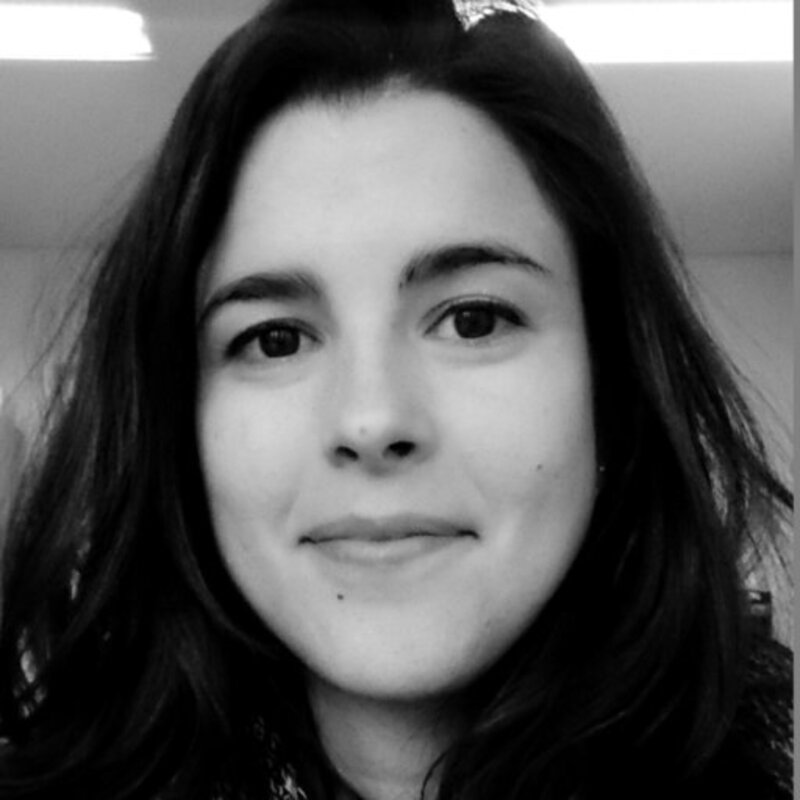
Dr. Juliana Bahia
Collection Manager at the Staatliche Naturwissenschaftliche Sammlung Bayerns, Zoologische Staatsammlung München
+49 (089) 8107 106 bahia@snsb.de
Holds a Bachelor's degree (2009) in Marine Biology and a Master's degree (2012) in Zoology from the Federal University of Rio de Janeiro (UFRJ). From 2013 to 2017, she was a PhD student in Biology at Ludwig-Maximilians-Universität München (LMU Munich) and at the Zoologische Staatssammlung München. From 2018 to 2019, she was a scientific volunteer in the Department of Zoology at the State Museum of Natural History Stuttgart, and from 2019 to 2021, a guest scientist at the Museum für Naturkunde – Leibniz Institute for Research on Evolution and Biodiversity in Berlin. Since 2021, she has been a Collection Manager at the Zoologische Staatssammlung München, part of the Bavarian Natural History Collections (SNSB).
Research Interests / Areas of Expertise: Marine invertebrates; Marine biodiversity; Taxonomy; Systematics; Phylogeny; Polycladida; Polyclad flatworms; Cryptic diversity; Species diversity; Marine ecology; Evolution.
Link https://zsm.snsb.de/
-
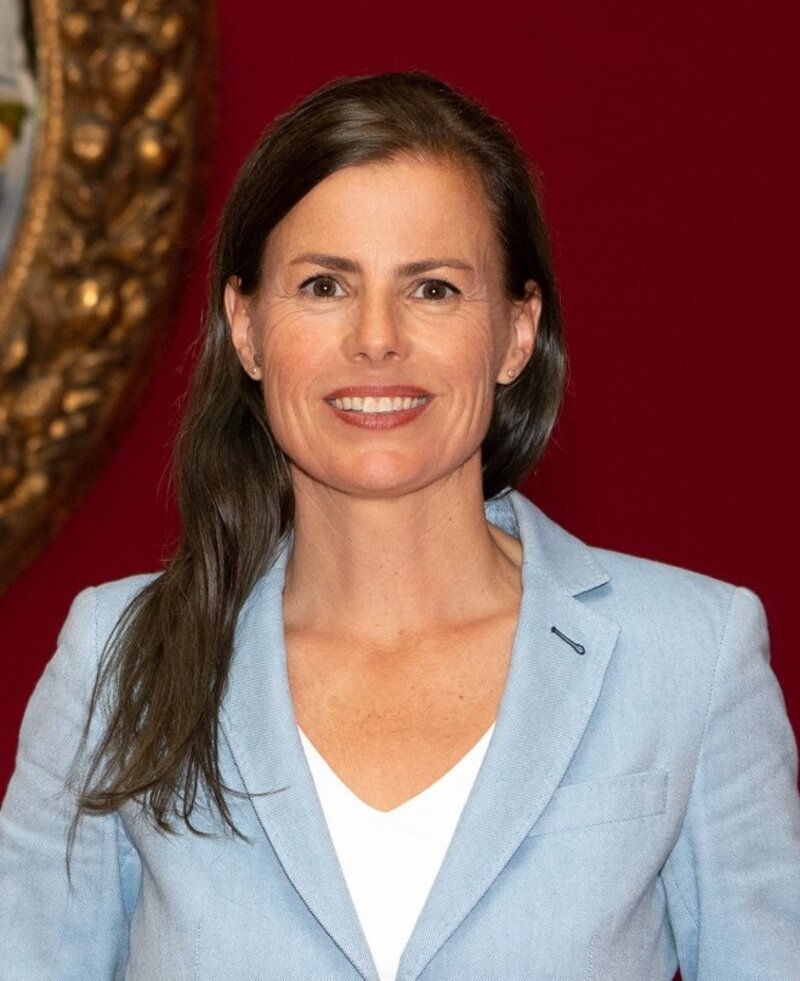
Dr. Simone Christiana Ebert
Head of Education and Learning at Visitor Service of the Bavarian State Painting Collections
+ 49 162 26 00428 simone.ebert@pinakothek.de
Simone Ebert completed her studies in art history, medieval and modern history at the universities of Marburg, Aachen, and Bonn and received her doctorate from the Institute for Art and Visual History at Humboldt University in Berlin. Her dissertation, titled Botticelli – Signorelli – Michelangelo. On the Art Politics of Lorenzo di Pierfrancesco de’ Medici, was published by Deutscher Kunstverlag. As a member of staff at various institutions, she was involved in inventorying collections, conceiving exhibitions and educational programs, and contributing to the preparation of the catalogue raisonné of the Dutch painter Frans Post. Since 2013, she has initiated numerous programs for the Bavarian State Painting Collections. In May 2024, she assumed the position of Head of the Department of Education.
Link www.pinakothek.de
-
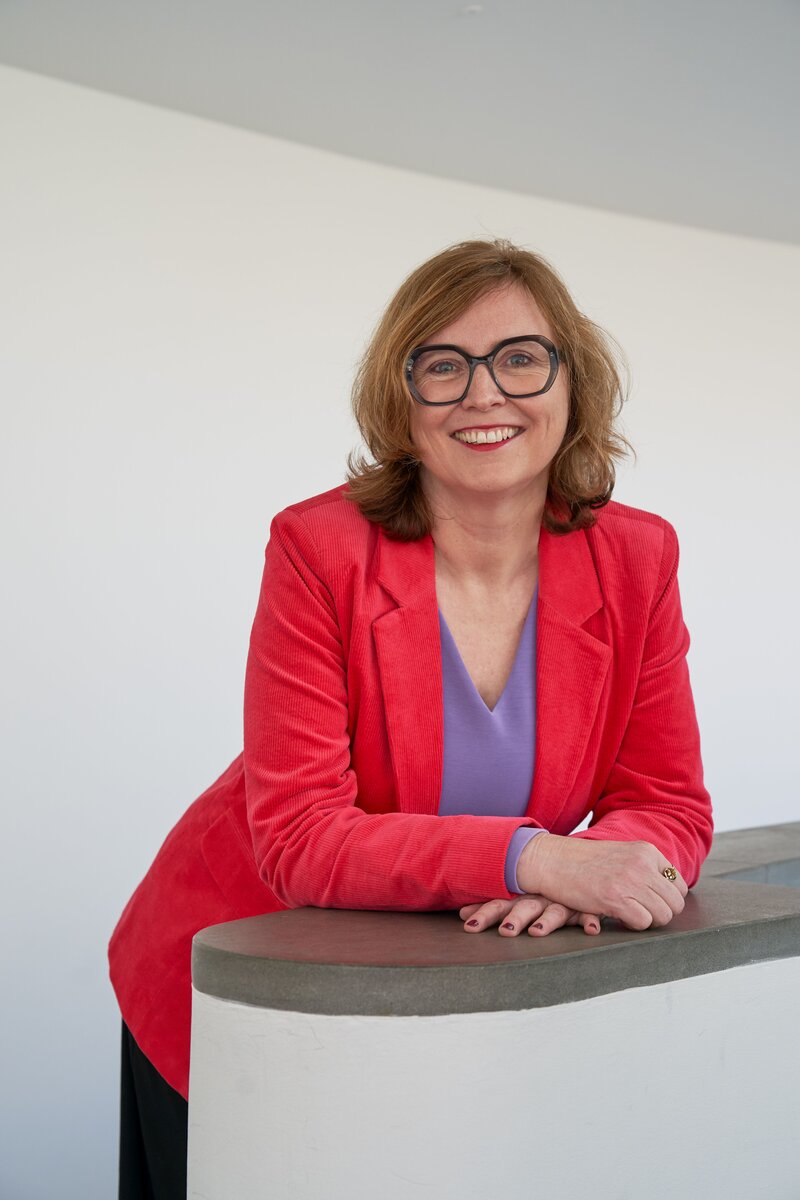
Dr. Simone Schimpf
Director of the Neues Museum Nürnberg
+ 49 9112402020 Simone.Schimpf@nmn.de
Simone Schimpf is a German art historian and since 2021 director of the Neues Museum Nuremberg, as well as an expert in the field of contemporary art, particularly Concrete Art. Previously, she was director of the Museum für Konkrete Kunst in Ingolstadt and a curator at the Kunstmuseum Stuttgart.
Research Interests / Areas of Expertise: contemporary artLink nmn.de
-
Dr. Maria Fernanda Boza Cuadros
Curator for North, Central and South America at the Museum Fünf Kontinente
+ 49 (89) 210 136 185 mariafernanda.bozacuadros@mfk-weltoffen.de
Maria Fernanda Boza Cuadros is trained as an anthropological and historical archaeologist, and her research emphasis is on the articulation of invisibility and marginalization in 19th century Peru. She received her PhD and an MA from Syracuse University (2019, 2016), an MA from the University of Wyoming (2010), and a BA from the Pontificia Universidad Católica del Perú. Before joining Fünf Kontinente she was the Decolonial Futures Post-Doctoral Researcher at the University of Amsterdam (2023-2024), and a researcher in the Landesmuseum Hannover (2022) and MARKK Hamburg (2020-2021).
Research Interests / Areas of Expertise: Andean archaeology, historical archaeology, collections studies
-
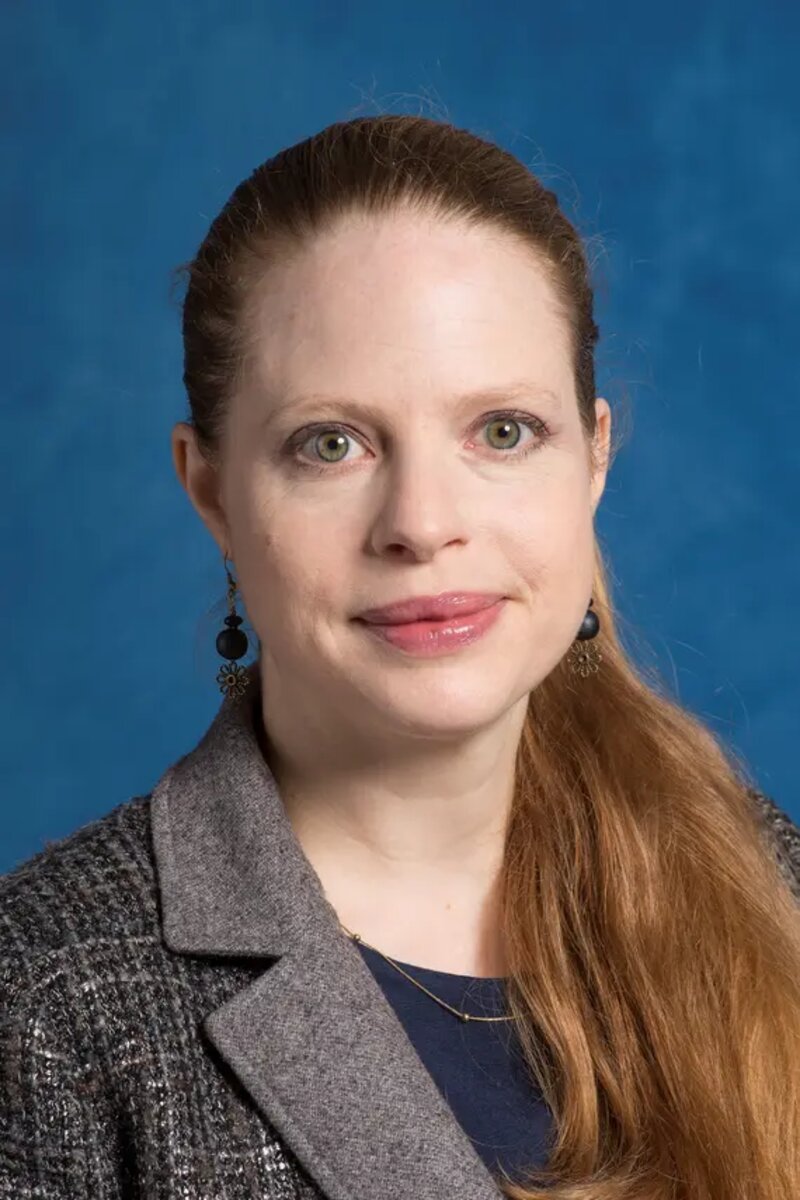
Prof. Dr. Mona Hess
Professor for Digital Technologies in Heritage Conservation at the University of Bamberg
+ 49 9518631634 mona.hess@uni-bamberg.de
Mona Hess has graduate degrees in architecture from Munich University of Technology, heritage conservation from University of Bamberg, both Germany, and a PhD in 3D imaging metrology for cultural heritage from University College London (UK) in 2015. She has experience in research projects for 3D imaging metrology and digital documentation for cultural heritage buildings and museum artefacts. Since 2017 she is full professor and course director for the new M.Sc. in Digital Technologies in Heritage Conservation at the University of Bamberg, Germany, and was vice-womens' officer of the university 2019 to 2022. She is also co-chair at the Centre for Innovative Applications of Computer Science and vice-chair at the Centre for Heritage Conservation Studies and Technologies.
Research Interests / Areas of Expertise: 3D imaging, heritage conservation, museum digitisation, museum collections